agronomy support: steps in providing good agronomy support.
Agronomy support involves providing guidance, knowledge, and expertise to farmers and agricultural practitioners to optimize crop production, improve soil health, and enhance agricultural sustainability. Here’s how you can provide effective agronomy support:
- Soil Analysis: Help farmers understand their soil’s composition, nutrient levels, pH, and other key factors through soil testing. Interpret the results and recommend appropriate soil management practices.
- Crop Selection: Advise farmers on selecting crops that are well-suited to their climate, soil type, and local market demand.
- Crop Planning: Assist in creating crop rotation plans, intercropping strategies, and timing for planting, cultivating, and harvesting different crops.
- Nutrient Management: Recommend proper fertilization strategies based on soil analysis and crop nutrient requirements. Promote the use of organic and synthetic fertilizers in a balanced manner.
- Integrated Pest Management (IPM): Teach farmers how to identify and manage pests, diseases, and weeds using a combination of cultural, biological, and chemical control methods.
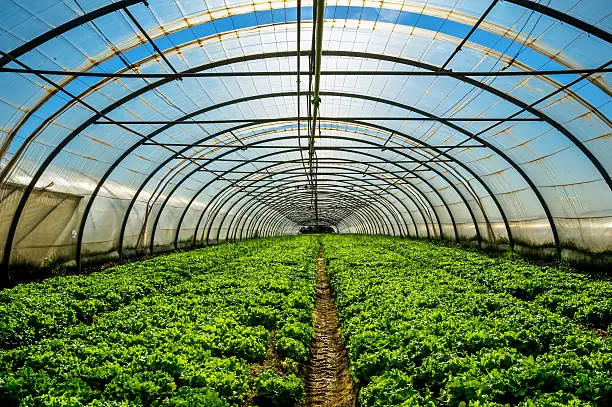
- Water Management: Provide guidance on efficient irrigation practices, water conservation, and preventing soil erosion to maximize water use efficiency.
- Crop Health Monitoring: Educate farmers on regular monitoring of crops for signs of stress, disease, or nutrient deficiencies, allowing for timely interventions.
- Climate Resilience: Help farmers adopt practices that enhance their farm’s resilience to climate variability and change, such as drought-tolerant crop varieties or rainwater harvesting.
- Technology Adoption: Introduce farmers to modern agritech tools, such as precision agriculture technologies, drones, and sensors, that can optimize resource use and yield.
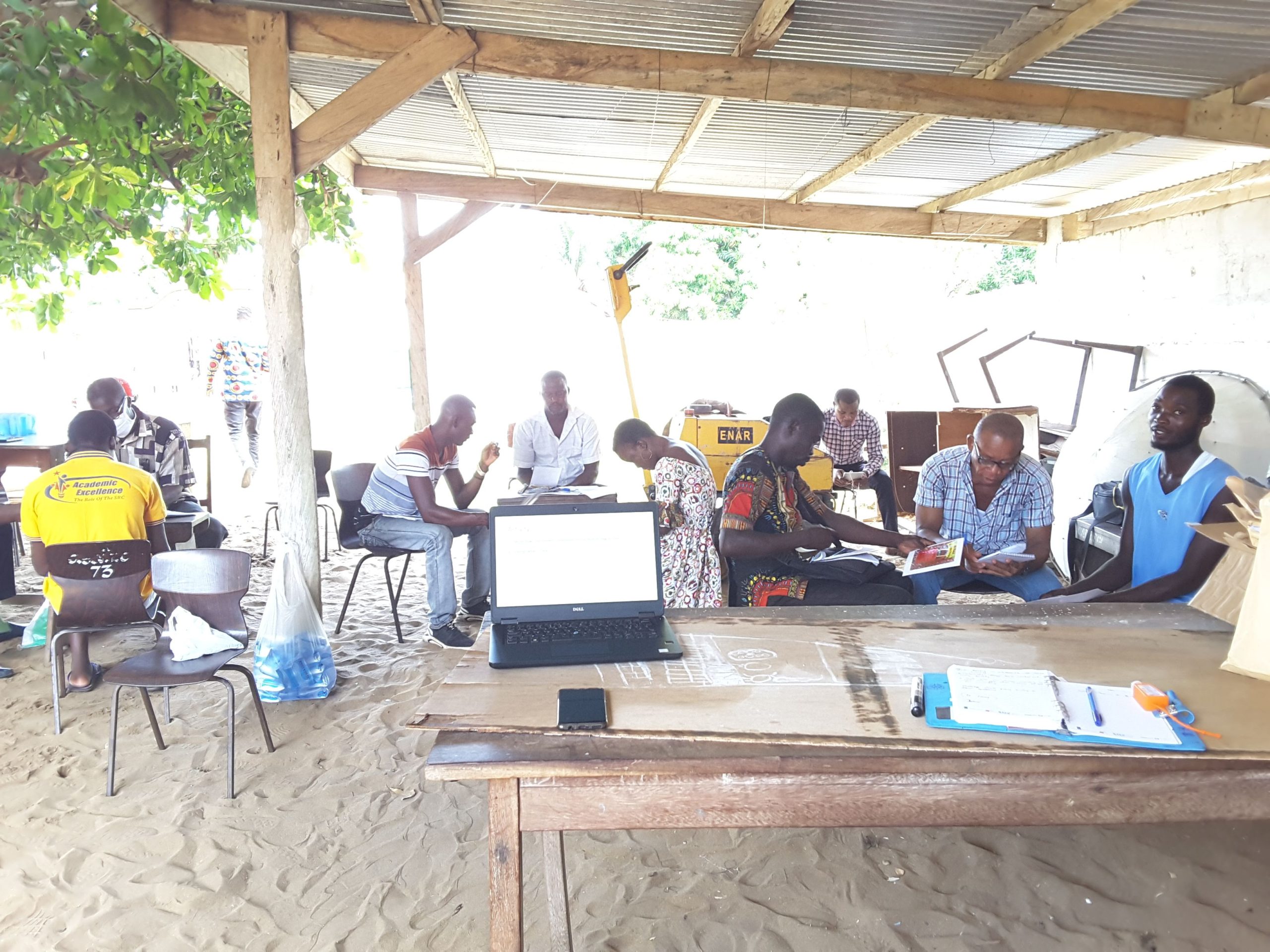
- Training and Workshops: Organize workshops, training sessions, and field demonstrations to share best practices, new techniques, and the latest research findings.
- Record Keeping: Encourage farmers to maintain records of planting dates, inputs used, yields, and weather conditions, which can guide decision-making for future seasons.
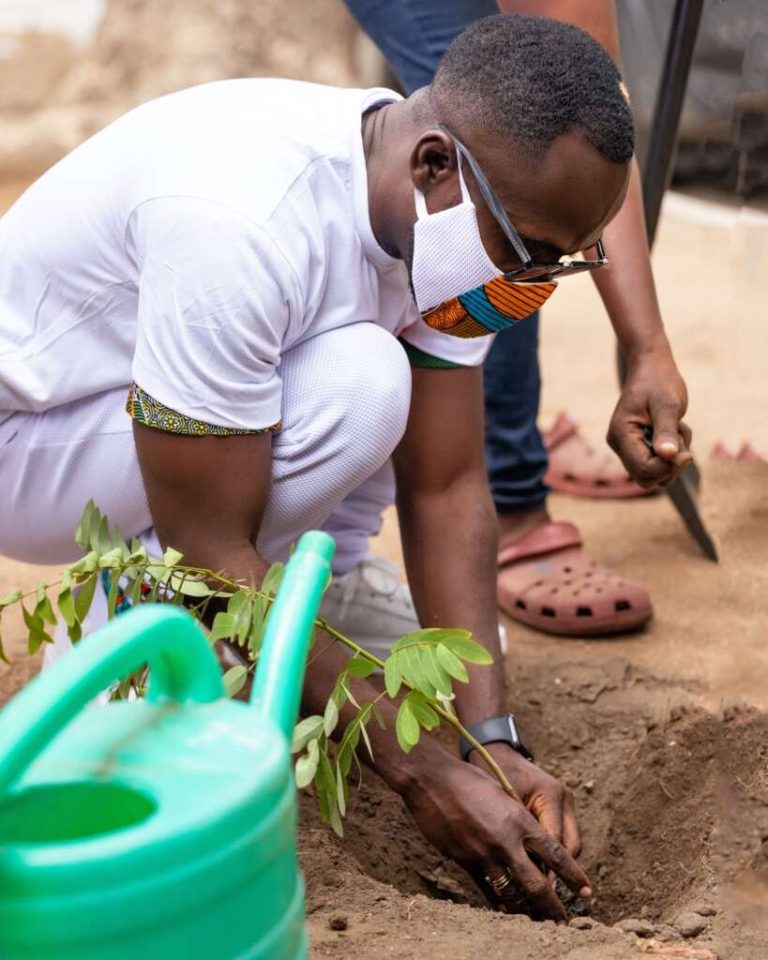
- Sustainability Practices: Promote sustainable practices like cover cropping, conservation tillage, and organic farming methods to improve soil health and reduce environmental impact.
- Market Access: Provide advice on market trends and help farmers connect with local markets, buyers, and value chains.
- Farm Business Management: Educate farmers about financial planning, budgeting, and cost-effective resource management to ensure the viability of their agricultural enterprises.
- Continuous Support: Offer ongoing support through regular visits, consultations, and communication to address challenges and fine-tune strategies.
Tailor your agronomy support to the specific needs, resources, and goals of the farmers you’re working with. Empower them with knowledge and skills to make informed decisions that lead to sustainable and productive agricultural practices.