
climate action for liffe
shea tree for climate change and economic growth.
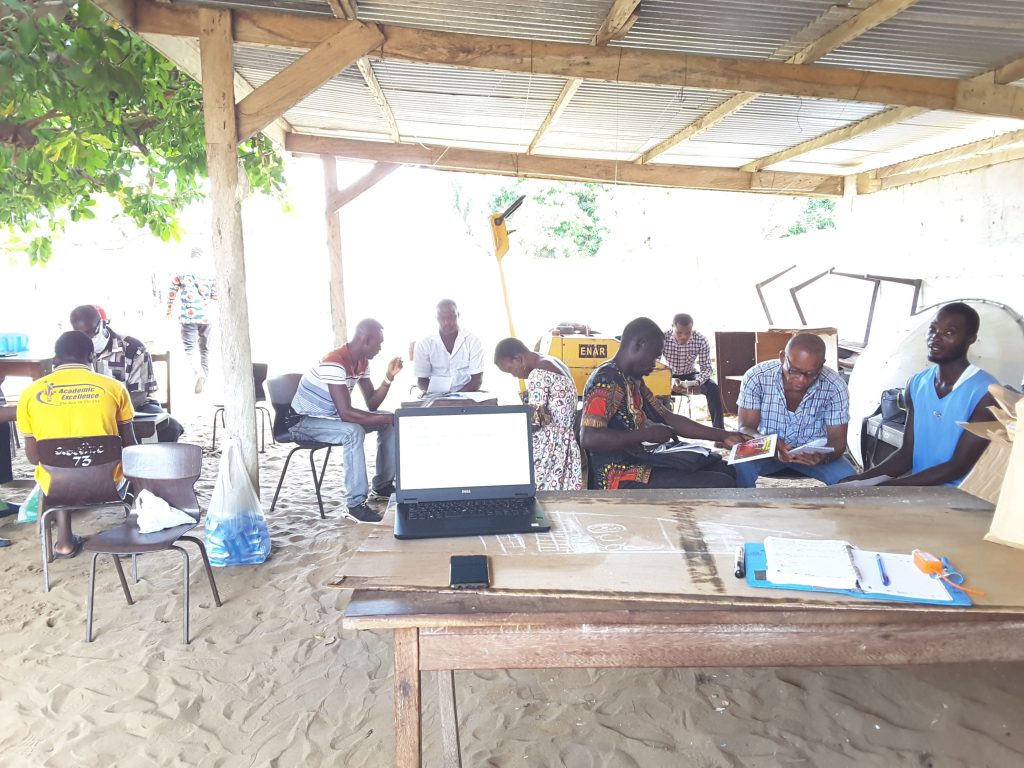
25 million shea trees.
Using the shea tree as a tool for both climate change mitigation and economic transformation is a multi-faceted approach that can bring about positive change in regions where shea trees naturally grow. Here’s our comprehensive plan that combines these goals:
Agroforestry and Reforestation:
- Promote Agroforestry: Encourage farmers to integrate shea trees into their agricultural practices. Agroforestry systems help improve soil fertility, prevent erosion, and provide shade for crops.
- Tree Planting Campaigns: Launch 25 million shea tree planting initiatives that focus on communities that depend heavily on shea trees but have not planted them in a long while. This is to restore the shea tree ecosystem, degraded lands, enhance biodiversity, and sequester carbon.
Research and Monitoring:
- Climate Research: Support research to quantify the carbon sequestration potential of shea trees and their impact on local microclimates.
- Long-Term Monitoring: Implement monitoring systems to track carbon sequestration, tree growth, and ecosystem health over time.

Carbon Sequestration and Emission Reduction:
- Carbon Offset Programs: Develop carbon offset initiatives that involve calculating the carbon sequestration potential of shea trees and selling carbon credits to environmentally conscious businesses and organizations.
- Community-led Reforestation: Involve local communities in reforestation efforts, empowering them to take charge of managing and protecting their natural resources.
5. Economic Diversification and Value Addition:
- Product Innovation: Support research and development to find new applications for shea butter in various industries, including cosmetics, food, and pharmaceuticals.
- Entrepreneurship Development: Provide training and resources for local entrepreneurs to start businesses related to shea products, creating employment opportunities.
Market Linkages:
- Fair Trade Practices: Foster fair trade practices by establishing partnerships that ensure local producers receive equitable compensation for their shea products.
- Access to International Markets: Assist local communities in meeting international quality standards, opening doors for exporting shea products globally.
Climate-Smart Agriculture:
- Training and Education: Provide training to local farmers on climate-smart agricultural practices, such as water-efficient irrigation, crop rotation, and organic farming methods.
- Drought Resilience: Highlight the drought-resistant qualities of shea trees and their potential to help communities adapt to changing climatic conditions.
Sustainable Shea Processing:
- Efficient Processing Units: Establish modern shea processing facilities that optimize energy use and reduce waste, contributing to a low-carbon production process.
- Renewable Energy Integration: Power processing units using renewable energy sources like solar or biomass, minimizing carbon emissions.
Climate Education and Awareness:
- Environmental Education: Launch awareness campaigns that educate communities about the link between healthy ecosystems, climate resilience, and sustainable economic growth.
- Youth Involvement: Engage young people in climate education and involve them in tree planting and conservation efforts.
Followers Across YouTube, Facebook And Instagram.

Donation for Climate Action
By intertwining the objectives of addressing climate change and fostering economic transformation through the cultivation and sustainable utilization of the shea tree, this plan can create a win-win scenario for both communities and the environment. It underscores the potential of natural resources to not only provide livelihoods but also contribute to mitigating the impacts of climate change.