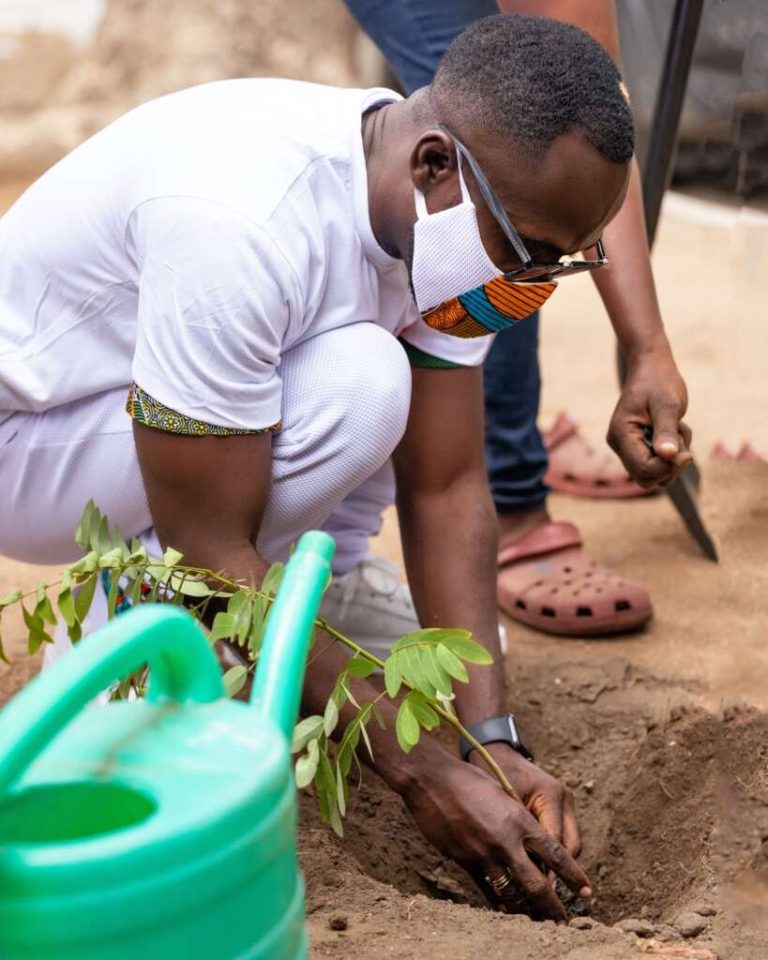
creating A nursery for vegetable garden
Creating a nursery for a vegetable garden involves setting up a space where you can start seeds, propagate seedlings, and provide optimal growing conditions until they are ready to be transplanted into the garden. Here’s a step-by-step guide to help you set up a vegetable garden nursery:
1. Choose a Location: Select a well-drained area with good access to sunlight. Ideally, the location should receive at least 6-8 hours of direct sunlight each day.
2. Design and Layout: Plan the layout of your nursery area. You can set up tables, shelves, or racks to hold trays of seedlings. Ensure that the layout allows for proper air circulation and easy access.
3. Gather Supplies: Collect the necessary supplies, including:
- Seedling trays or containers
- Seed-starting mix or potting soil
- Seeds of the vegetables you want to grow
- Labels for identifying different plant varieties
- Watering can or hose
- Grow lights (if natural sunlight is insufficient)
- Fertilizers and organic amendments
- Hand tools (small spades, pruners, etc.)
4. Prepare the Soil Mix: Prepare a well-draining seed-starting mix or potting soil. Avoid using garden soil, as it may contain pests or diseases.
5. Plant Seeds: Follow the seed packet instructions for planting depth and spacing. Label each tray or container with the type of vegetable and planting date.
6. Watering: Keep the soil consistently moist but not waterlogged. Use a fine mist or a gentle stream of water to prevent disturbing the seeds.
7. Provide Proper Lighting: If natural sunlight is limited, consider using fluorescent or LED grow lights placed a few inches above the seedlings. Keep the lights on for 12-16 hours a day.
8. Monitor and Adjust Temperature: Maintain a consistent temperature range suitable for seed germination. Different vegetables have varying temperature requirements.
9. Transplanting: Once the seedlings have grown their first set of true leaves, they are ready to be transplanted into larger pots or directly into the garden.
10. Harden Off Seedlings: Before transplanting seedlings into the garden, gradually expose them to outdoor conditions over a period of about a week. This helps them acclimate to temperature, wind, and sun.
11. Transplant into the Garden: Plant the hardened-off seedlings into your vegetable garden according to spacing recommendations for each vegetable.
12. Maintain the Nursery: Continuously care for the remaining seedlings in the nursery until they are ready for transplanting or until you have a continuous cycle of starting new seedlings.
13. Keep Records: Keep track of planting dates, germination rates, growth progress, and any issues you encounter. This information will help you refine your nursery practices in the future.
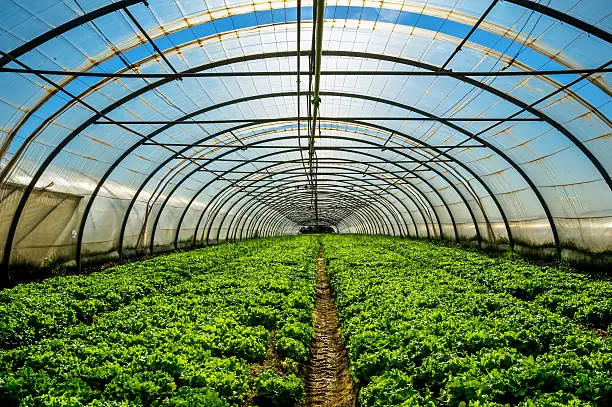
Remember that successful seedling care requires attention to detail, patience, and consistent care. Starting seeds in a well-organized and well-maintained nursery will contribute to healthier, stronger plants in your vegetable garden.
Remember that successful seedling care requires attention to detail, patience, and consistent care. Starting seeds in a well-organized and well-maintained nursery will contribute to healthier, stronger plants in your vegetable garden.