Effects of climate change
Climate change has a wide range of effects on the environment, ecosystems, economies, and societies around the world. These effects are driven by the warming of the planet due to the accumulation of greenhouse gases in the atmosphere. Here are some of the key effects of climate change:
- Rising Temperatures:
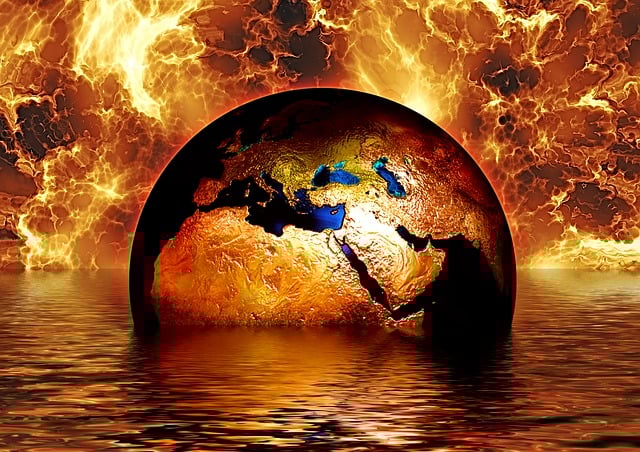
- Increased average temperatures can lead to heatwaves, posing health risks and stressing ecosystems and agriculture.
- Melting Glaciers and Ice Sheets:
- Melting ice contributes to rising sea levels, threatening coastal areas and increasing the risk of flooding.
- Sea Level Rise:
- Melting ice and the thermal expansion of seawater cause sea levels to rise, resulting in coastal erosion and increased vulnerability to storm surges.
- More Intense and Frequent Extreme Weather Events:
- Climate change contributes to more severe hurricanes, cyclones, droughts, floods, and wildfires, causing destruction and loss of life.
- Ocean Acidification:
- Increased carbon dioxide levels lead to higher acidity in the oceans, harming marine ecosystems and coral reefs.
- Biodiversity Loss:
- Habitats are disrupted, leading to shifts in ecosystems and species distribution, and increasing the risk of species extinction.
- Shifts in Ecosystems:
- Plants and animals may migrate to higher altitudes or latitudes in response to changing temperatures, affecting ecosystems and food chains.
- Impact on Agriculture:
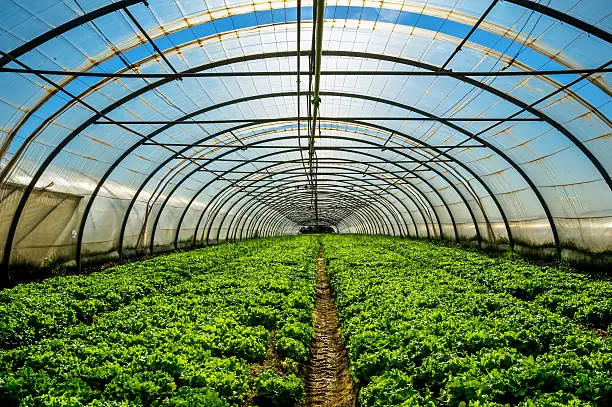
- Changes in temperature and precipitation patterns can disrupt crop growth, reduce yields, and threaten food security.
- Water Scarcity:
- Altered rainfall patterns can lead to droughts in some areas, affecting water availability for drinking, agriculture, and industry.
- Health Risks:
- Heat-related illnesses, the spread of diseases, and reduced air quality can lead to negative health impacts on humans.
- Displacement and Migration:
- Rising sea levels, extreme weather events, and degraded habitats can lead to population displacement and migration.
- Economic Impact:
- Climate-related damages, such as infrastructure destruction and crop failures, can strain economies and lead to financial losses.
- Loss of Livelihoods:
- Small-scale farmers, fishermen, and other vulnerable communities often depend on natural resources that are threatened by climate change.
- Cultural Impact:
- Climate change can disrupt traditional ways of life and cultural practices of indigenous and local communities.
- Global Inequality:
- Vulnerable populations in developing countries are disproportionately affected by climate change, exacerbating existing inequalities.
Efforts to mitigate and adapt to climate change are essential to minimize these impacts and build a more sustainable and resilient future. This requires a collective commitment to reducing greenhouse gas emissions, transitioning to clean energy sources, and implementing strategies to protect communities and ecosystems from the effects of climate change.

Bibendum est ultricies integer quis. Risus quis varius quam quisque id diam vel. Lorem mollis aliquam ut porttitor leo a diam sollicitudin. At tempor commodo ullamcorper a. Faucibus scelerisque eleifend donec pretium vulputate sapien nec. Aliquet bibendum enim facilisis gravida neque convallis. In hendrerit gravida rutrum quisque.